Italian Wineries Embrace Art as Cultural Spaces
Specialists at a Palermo wine conference said vineyards can become destinations where landscape, architecture and contemporary art meet.
Monday, May 18, 2026
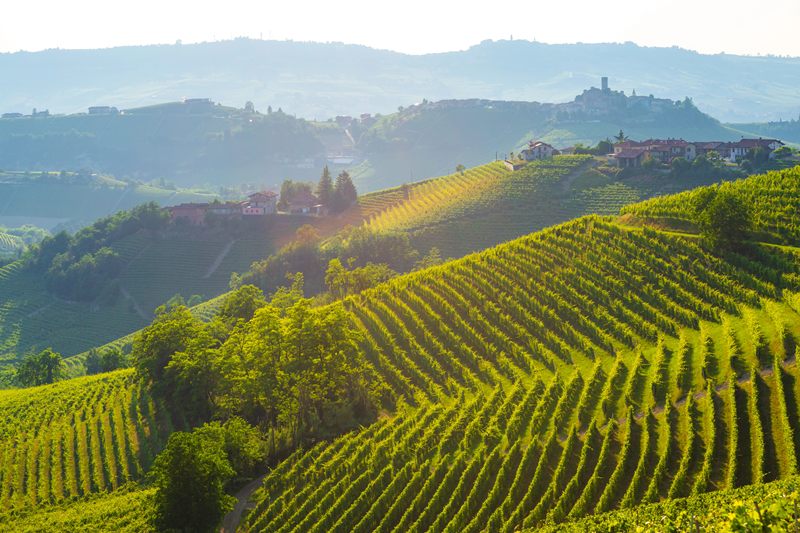
At a wine conference in Palermo this week, two Italian specialists argued that vineyards and wineries can serve as cultural spaces, not just production sites, if they are shaped through close listening, technical skill and collaboration with artists and craftspeople.
The discussion took place during Sicilia en primeur 2026, the annual event organized by Assovini Sicilia, which closed on Friday in the historic center of Palermo. The panel brought together Patrizia Pozzi, a landscape architect known for projects that blend agriculture and public space, Agata Polizzi, an art historian and independent curator who has worked with the Fondazione Mario Merz and Planeta, and Francesco Seminara, a food and wine journalist.
Their conversation focused on how art can deepen the experience of visiting a winery and help connect the built environment with the surrounding landscape. Pozzi said that wine carries history, family memory, place and expectation, all of which should inform architectural design. She argued that wineries have increasingly become patrons of art because hospitality has expanded sharply in Italy since 2010, especially in Sicily, as producers have sought to create spaces that reflect the value of their wines.
Pozzi said that successful projects begin with careful observation of the site and of the producer’s vision. She said designers need patience and a broad set of skills, including botanical knowledge and an understanding of how natural systems work. The goal, she said, is to make nature and design fit together rather than stand apart.
Polizzi said that contemporary art can help visitors understand a place more fully by creating emotion and memory. She said the old reluctance to let people touch or interact with art is fading, and that direct engagement can make contemporary work more accessible. In her view, wineries that host concerts, exhibitions or performances can offer visitors something beyond tasting wine: a reason to return.
Both speakers stressed that these projects are never the result of one person working alone. They require dialogue among artists, curators, owners and local workers. Polizzi said the process is one of translation and mediation, where different perspectives must be brought together into a coherent whole. She added that success depends on making guests curious and engaged, whether the final result is an artwork, a building or a garden.
Technology came up as well, but only as a tool. Pozzi said digital methods can help present a project, but they should not replace direct experience or manual work. She said drawing by hand still matters because it develops proportion, attention to detail and a physical sense of form. Polizzi made a similar point, saying that artisans and craftspeople remain essential in turning an idea into something real before it is translated into digital form.
The panel reflected a broader shift in how some Italian wineries are thinking about their role in tourism and culture: not only as places to make wine, but as spaces where landscape, architecture and art are designed to work together around the visitor’s experience.