Spirit-based RTDs surge as U.S. spirits volumes fall
IWSR data shows consumers are cutting back on alcohol overall, even as convenience-driven cocktails gain ground.
2026-05-12
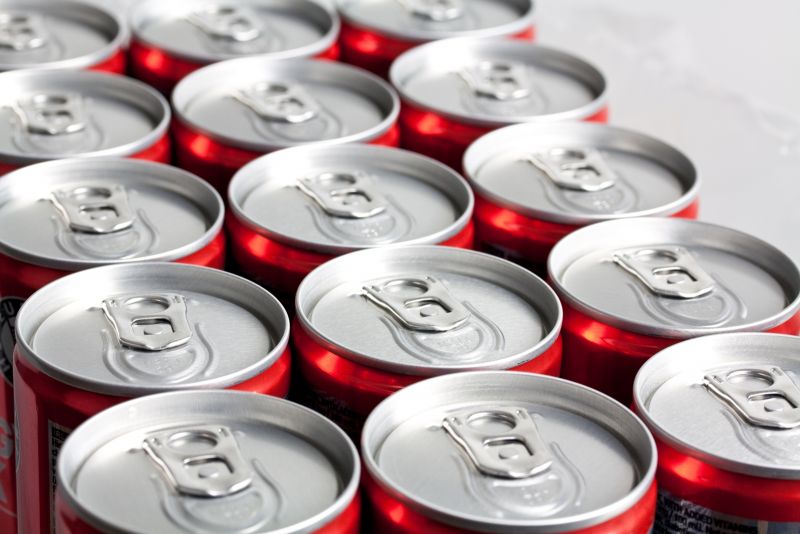
Spirits volumes fell 4% in the United States last year, but ready-to-drink cocktails made with spirits rose 14%, according to new data from IWSR that points to a sharp split in the alcohol market as consumers pulled back on overall spending.
The figures, drawn from IWSR’s U.S. Navigator report, show total beverage alcohol volume in the country fell 5% in 2025. Beer and wine each declined 6%, while RTDs were down 1% overall. That modest drop masked a wider divide inside the category: malt-based RTDs fell 5%, but spirit-based RTDs climbed 14%.
The growth of spirit-based RTDs has been led by brands such as Gallo’s High Noon, which have benefited from consumer demand for convenience and lower-effort drinking occasions. At the same time, volumes of so-called national spirits rose 18% in the U.S., with about 80% of that segment made up of Korean soju. Even so, soju still accounted for less than 1% of U.S. spirits volume in 2024.
IWSR said another recent report projects that soju will grow at a compound annual rate of 16% between 2024 and 2029 in the U.S., even as overall spirits volume is expected to fall 2% over the same period.
The decline was broad across the country. Total beverage alcohol volume fell in 49 states, with Nevada the only state to post growth, at 4%. Spirits volume dropped in 37 states. Minnesota and Idaho each recorded gains of 4%, while Oregon rose 2%.
Beer fell in every state except Illinois and Nevada. Wine declined everywhere except West Virginia. RTD performance varied by market: California was down 8%, Texas was flat and Florida rose 7%.
Marten Lodewijks, president and managing director of IWSR, said affordability pressures were pushing many consumers to cut discretionary spending, putting pressure on the beverage alcohol industry. He said the number of drinkers had not changed much, but more people were drinking less often and having fewer drinks when they did.
He added that moderation trends were also affecting demand, though he expects categories now in decline to return to growth when consumer confidence improves.

Founded in 2007, Vinetur® is a registered trademark of VGSC S.L. with a long history in the wine industry.
VGSC, S.L. with VAT number B70255591 is a spanish company legally registered in the Commercial Register of the city of Santiago de Compostela, with registration number: Bulletin 181, Reference 356049 in Volume 13, Page 107, Section 6, Sheet 45028, Entry 2.
Email: [email protected]
Headquarters and offices located in Vilagarcia de Arousa, Spain.