Trump Tariff Plan Faces Legal Hurdles
The administration’s effort to revive duties on imported wine and other goods could take months to advance.
Thursday, May 7, 2026
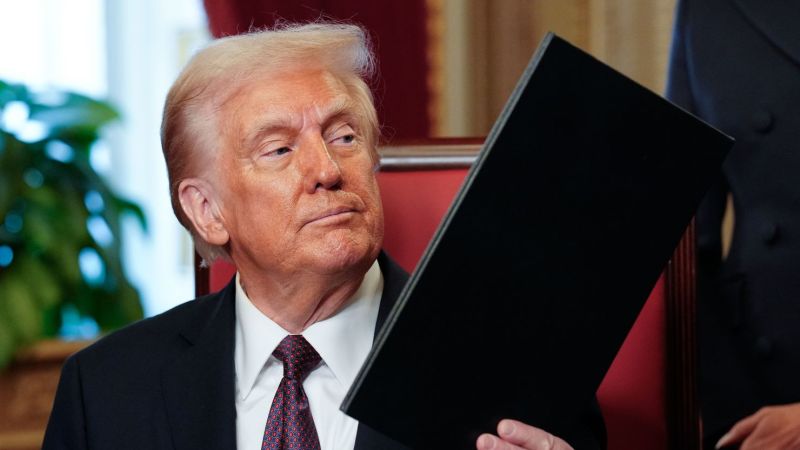
The Trump administration is weighing a return to tariffs on imported goods, including wine and other beverages, but the effort is running into legal and procedural barriers that could delay any action for months and invite challenges from trading partners at the World Trade Organization.
Officials are looking at trade tools such as Section 301, which addresses unfair foreign trade practices, and Section 232, which allows tariffs on national security grounds. Both require formal investigations, public comment periods and detailed findings before duties can be imposed. That makes them slower and more vulnerable to legal review than the emergency powers the administration used before.
The shift matters for importers because broad tariffs similar to those struck down by the Supreme Court are unlikely to survive in their previous form. Any new measures would probably have to be narrower, aimed at specific products or sectors rather than applied across the board. That would force the government to justify each tariff item by item, adding time and complexity to the process.
For wine importers, distributors and retailers, the uncertainty is already affecting planning. Companies that rely on overseas supply are trying to judge whether to bring in more inventory now or wait for clearer signals from Washington. A tariff return could raise landed costs, squeeze margins and eventually push up shelf prices if duties are imposed on European wines or other imported beverages.
The legal risk is not limited to U.S. courts. Trading partners could also challenge any new tariffs at the WTO, arguing that they violate international trade rules. That possibility adds another layer of uncertainty for businesses that depend on stable pricing and predictable shipping schedules.
The administration has not announced a final decision, but the combination of legal hurdles, investigation requirements and possible international disputes means any tariff plan is likely to move slowly. For importers, that leaves a narrow window of ambiguity in which they must make purchasing decisions without knowing whether duties will return or how broad they might be.