Study Finds Glass Still Best for Wine Storage
Aluminum and PET can work for wines meant to be consumed within about six months
2026-05-07
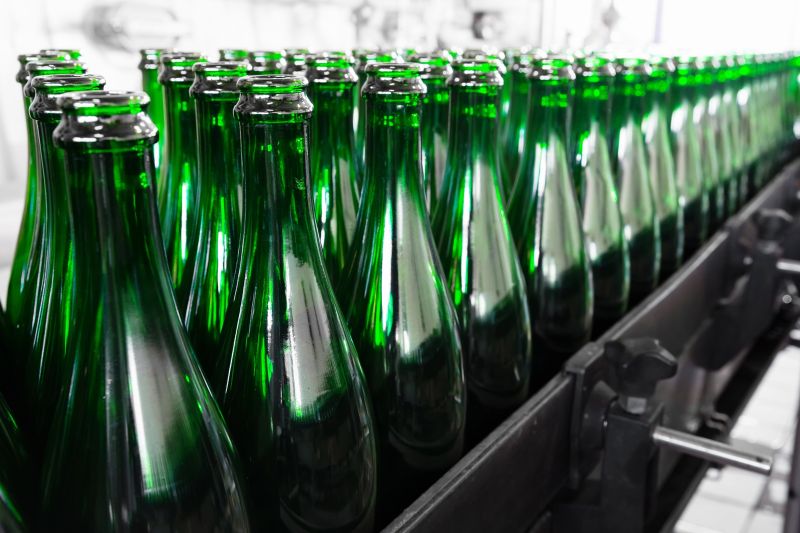
Wine has long been sold in glass because the material protects flavor and color well, but a new study suggests that some lighter packaging can work for wines meant to be consumed relatively quickly.
Researchers at the University of Arkansas tested red and white wines stored for 0, 6 and 12 months at 15°C in glass bottles and in several alternative containers, including aluminum, PET, HDPE, LDPE, polypropylene and a flexible pouch. The wines were made from Chambourcin and Vignoles grapes grown in Arkansas and bottled in 2022 and 2023. The study was published May 6 in the journal Beverages.
The team found that packaging had a significant effect on dissolved oxygen, free sulfur dioxide, color measurements and total phenolics during storage. Wines in glass, especially 375 mL and 750 mL bottles, held up best over time. They showed the strongest color stability and the least change in phenolic composition.
By contrast, some alternative packages performed reasonably well for shorter storage. Aluminum and PET containers appeared suitable for wine kept up to 6 months, but their performance weakened by 12 months. Across all packaging types, color changes became more noticeable over time, with Delta E values rising during storage. In the study’s framework, a Delta E above 5 meant the wine’s color was visibly different from the wine in a 750 mL glass bottle at bottling.
The findings matter because glass is still considered the standard for wine marketing and aging, but it also carries a larger carbon footprint than lighter materials. The authors noted that glass bottles can account for as much as 34% of wine production’s total carbon footprint. Alternative packaging can reduce emissions tied to transport and manufacturing, but the trade-off is shorter shelf life.
The study’s results point to a practical split in the market: glass remains the better choice for wines intended for longer storage or aging, while aluminum and PET may be viable for wines designed to be sold and consumed within about six months of bottling.

Founded in 2007, Vinetur® is a registered trademark of VGSC S.L. with a long history in the wine industry.
VGSC, S.L. with VAT number B70255591 is a spanish company legally registered in the Commercial Register of the city of Santiago de Compostela, with registration number: Bulletin 181, Reference 356049 in Volume 13, Page 107, Section 6, Sheet 45028, Entry 2.
Email: [email protected]
Headquarters and offices located in Vilagarcia de Arousa, Spain.