Oregon Wine Industry Growth Slows as Economic Impact Rises to $8.49 Billion in 2024
2026-03-02
New report shows tourism revenue surges 13.5% while job numbers and grape production decline across the state
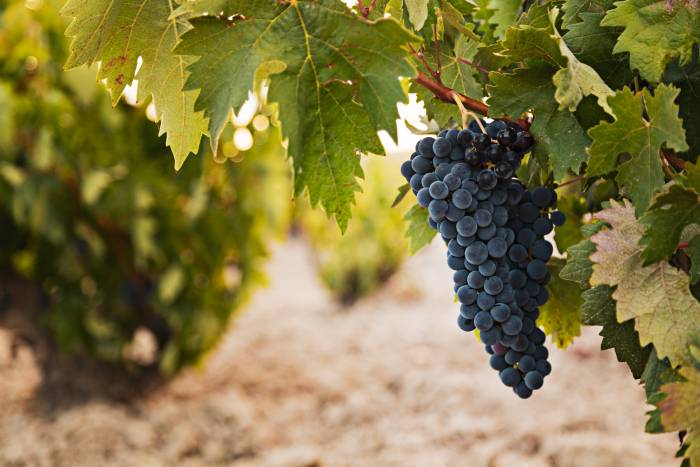
The Oregon wine industry continues to expand its economic footprint, but recent growth has slowed compared to previous years. According to the 2024 Oregon Wine Economic Impact Report released by the Oregon Wine Board on February 26, the combined economic impact of the state’s wine and grape sectors reached an estimated $8.49 billion in 2024. This marks a 3.8% increase from the last report in 2022. By comparison, the industry grew nearly 13% between 2019 and 2022.
Gina Bianco, executive director of the Oregon Wine Board, emphasized the broad influence of wine production across the state. She noted that the industry supports jobs in vineyards, wineries, and related businesses, while also driving tourism revenue in communities throughout Oregon. Bianco acknowledged ongoing challenges for growers and producers, including global market pressures, but highlighted that Oregon wine remains a positive force for the state’s economy.
The report identified several headwinds affecting growth. These include a decline in consumer demand for wine, uncertainty over tariffs and immigration enforcement, and increased costs for both businesses and households. The lingering effects of the COVID-19 pandemic and recent wildfires have also impacted operations. Additionally, travel patterns have shifted, with visitors making fewer trips and spending less money.
Despite these obstacles, wine grapes remained Oregon’s most valuable fruit crop in 2024, with a total value of $329 million. Wages and salaries supported by the wine industry rose 2.8% to $1.75 billion. However, the number of jobs linked to wine production fell by 3.4%, dropping to about 38,100 positions.
Tourism continues to play a significant role in supporting Oregon’s wine sector. The report found that wine-related tourism generated nearly $861 million in statewide revenue in 2024 through lodging, dining, and other activities not including tasting room sales—a 13.5% increase from 2022. This segment supported more than 9,100 jobs and $329 million in wages.
Robert Eyler of Economic Forensics and Analytics, who conducted the analysis for the report, pointed out that tourism is now a major external driver of success for wineries. He stressed the importance of attracting younger visitors and positioning Oregon as a desirable destination for wine experiences.
Travel Oregon data showed that 18.8% of out-of-state travelers visited wineries during their trips in 2024, up from 14.3% two years earlier. However, average visitation at tasting rooms declined by 5%, suggesting changes in visitor behavior or preferences.
In terms of production, planted vineyard acreage increased by 6.4% to approximately 47,350 acres in 2024. Of this total, only about 37,200 acres were harvested—nearly 1,600 fewer than in 2022—as some growers left grapes unpicked due to market conditions or quality concerns. Total grape production reached around 129,740 tons, representing a decrease of 5.3%. The median price per ton for Oregon wine grapes rose nearly 4.8% to $2,465.
Pinot noir remained the dominant grape variety harvested in Oregon, followed by Chardonnay and Pinot gris. Red grape varieties continued to command higher prices compared to whites.
The report underscores both the resilience and evolving challenges facing Oregon’s wine industry as it adapts to changing market dynamics and consumer trends while maintaining its role as a key contributor to the state’s economy and tourism sector.

Founded in 2007, Vinetur® is a registered trademark of VGSC S.L. with a long history in the wine industry.
VGSC, S.L. with VAT number B70255591 is a spanish company legally registered in the Commercial Register of the city of Santiago de Compostela, with registration number: Bulletin 181, Reference 356049 in Volume 13, Page 107, Section 6, Sheet 45028, Entry 2.
Email: contact@vinetur.com
Headquarters and offices located in Vilagarcia de Arousa, Spain.