Global Sparkling Wine Market Set to Hit $30.15 Billion by 2030, Report Finds
2026-02-18
Rising demand for premium beverages and expanding e-commerce access drive steady 5.5% annual growth in sparkling wine sales worldwide.
The global sparkling wine market is expected to reach $30.15 billion by 2030, according to a recent report from The Business Research Company. This projection represents a compound annual growth rate (CAGR) of 5.5% from 2026 to 2030. The report highlights that the market was valued at $23.16 billion in 2025 and is forecasted to grow to $24.32 billion in 2026, reflecting steady expansion in recent years.
Several factors are driving this growth. Consumer preferences are shifting toward premium alcoholic beverages, and sparkling wine continues to be a popular choice for both special occasions and casual enjoyment. The rise of e-commerce platforms has made it easier for consumers to access a wider variety of sparkling wines, including artisanal and authentic options. Producers are also responding to demand for sustainable practices, with more wineries adopting environmentally friendly production methods and packaging.
The report notes that the popularity of sparkling wine is closely linked to broader trends in the alcoholic beverage sector. Innovative flavors, ready-to-drink cocktails, and flavored spirits have attracted younger consumers and those seeking new experiences. Sparkling wine’s effervescence and festive character make it especially appealing for celebrations and social gatherings.
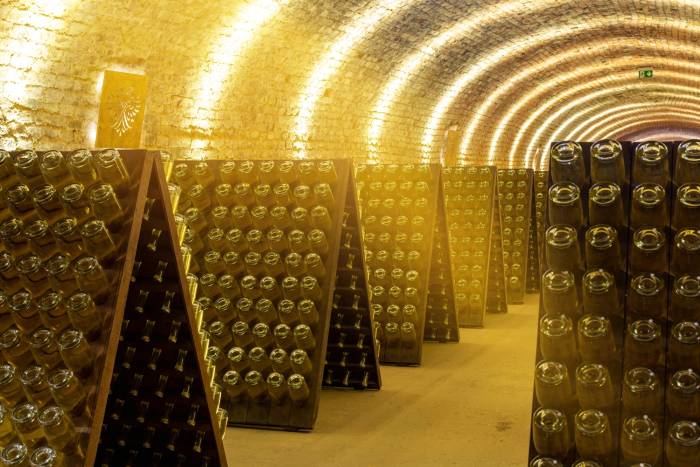
In terms of production, sparkling wine is defined by its bubbles, which are created by dissolved carbon dioxide during fermentation. Traditional bottle fermentation is used for products like champagne, while tank fermentation is common for prosecco. These methods result in a range of styles from dry to sweet, catering to diverse consumer tastes.
Regional analysis shows that Europe held the largest share of the sparkling wine market in 2025, maintaining its reputation as a leading producer and consumer of sparkling wines such as champagne, cava, and prosecco. However, Asia-Pacific is identified as the fastest-growing region through 2030. Rising disposable incomes, changing lifestyles, and increased interest in Western-style celebrations are contributing to higher demand for sparkling wine in countries across Asia.
The report also points out that the food and beverage processing industry plays a significant role in supporting the growth of alcoholic beverages like sparkling wine. For example, Canada’s Agriculture and Agri-Food Department reported that the country’s food and beverage processing sector generated $173.4 billion in goods in 2024, accounting for 20.3% of all manufacturing sales and contributing 1.6% to national GDP. Exports of processed food and beverage products reached $59.8 billion, up 3.8% from the previous year.
Looking ahead, key trends expected to shape the sparkling wine market include increased demand for premium and craft varieties, growing interest in low-alcohol and organic options, expansion of direct-to-consumer sales channels, and greater emphasis on brand distinction through unique experiences. Producers are likely to continue innovating with new flavors and sustainable practices as they compete for market share.
The Business Research Company’s analysis covers major regions including Asia-Pacific, South East Asia, Western Europe, Eastern Europe, North America, South America, the Middle East, and Africa. The report provides insights into current market size, growth drivers, regional trends, and future outlook for the global sparkling wine industry through 2030.

Founded in 2007, Vinetur® is a registered trademark of VGSC S.L. with a long history in the wine industry.
VGSC, S.L. with VAT number B70255591 is a spanish company legally registered in the Commercial Register of the city of Santiago de Compostela, with registration number: Bulletin 181, Reference 356049 in Volume 13, Page 107, Section 6, Sheet 45028, Entry 2.
Email: contact@vinetur.com
Headquarters and offices located in Vilagarcia de Arousa, Spain.