U.S. Alcohol Exports to Canada Plunge 85% Amid Trade Dispute, Leaving $57.7 Million in Unsold Spirits
2025-12-15
Canadian provinces grapple with overflowing warehouses and expiring stock as diplomatic efforts to resolve tariffs stall
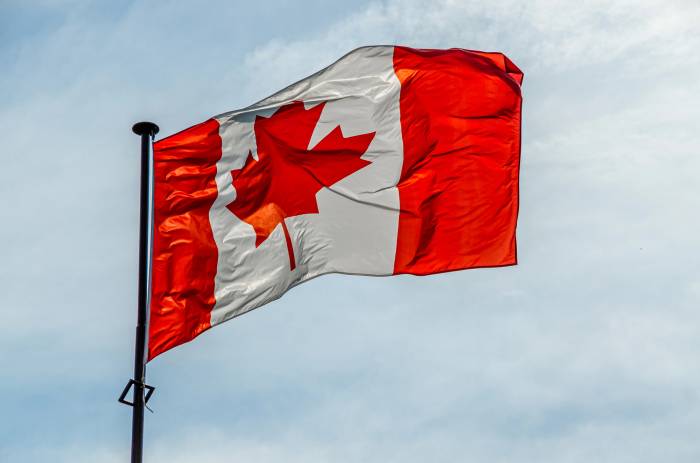
A trade dispute between Canada and the United States has left Canadian provinces with warehouses full of unsold American alcohol. The situation began after the U.S., under President Donald Trump, imposed tariffs on Canadian goods. In response, most Canadian provinces pulled American spirits from their retail shelves. Now, with little progress in resolving the dispute, provincial governments are facing the challenge of what to do with large stocks of U.S. alcohol purchased at taxpayer expense.
The impact on the U.S. spirits industry has been severe. Chris Swonger, president and CEO of The Distilled Spirits Council of the United States, said exports to Canada have dropped by 85 percent since the tariffs were introduced in the spring. Swonger described Canada’s boycott as “very troubling” and said the industry is urging the White House to resolve the issue so that American products can return to Canadian shelves. However, diplomatic efforts have stalled. Talks ended abruptly in October after Ontario aired anti-tariff advertisements on U.S. television networks.
Currently, only Alberta and Saskatchewan continue to sell American alcohol. These two provinces do not operate state liquor monopolies, unlike most other provinces in Canada. The rest are left with significant inventories of U.S. spirits that they cannot sell through regular retail channels.
Ontario, Canada’s most populous province, reportedly holds about 80 million Canadian dollars (approximately $57.7 million) worth of U.S. alcohol that has been withdrawn from public sale. The province has not decided what to do with this inventory. Ontario Finance Minister Peter Bethlenfalvy stated there are no plans to sell off the stock and indicated that less than C$2 million worth will soon reach its expiration date.
Other provinces are taking different approaches. British Columbia is not selling American alcohol to the public but is instead clearing its surplus by selling to hospitality outlets such as bars and restaurants. Manitoba and Nova Scotia have announced they will sell their remaining stocks—valued at about C$17.4 million—and donate the proceeds to local charities. Nova Scotia Premier Tim Houston explained that selling off the inventory prevents waste, but confirmed that no new orders for U.S. alcohol will be placed.
The trade standoff has created logistical and financial problems for provincial governments, which must decide how to manage products bought with public funds but now barred from regular sale. Warehouses are filling up as new products compete for space, and some stocks risk going out of date before a solution is found.
With no sign of reconciliation between Ottawa and Washington, provinces are left waiting for a resolution while managing millions of dollars’ worth of unsold American spirits. The ongoing dispute continues to affect both Canadian consumers and American producers, with no clear end in sight.

Founded in 2007, Vinetur® is a registered trademark of VGSC S.L. with a long history in the wine industry.
VGSC, S.L. with VAT number B70255591 is a spanish company legally registered in the Commercial Register of the city of Santiago de Compostela, with registration number: Bulletin 181, Reference 356049 in Volume 13, Page 107, Section 6, Sheet 45028, Entry 2.
Email: contact@vinetur.com
Headquarters and offices located in Vilagarcia de Arousa, Spain.