Bodegas Riojanas Moves Its Registered Headquarters to Madrid After Vintae Takeover
The historic winery shifted its legal domicile from Cenicero after a court-approved restructuring, with no immediate sign production will leave Rioja.
Monday, September 21, 2026
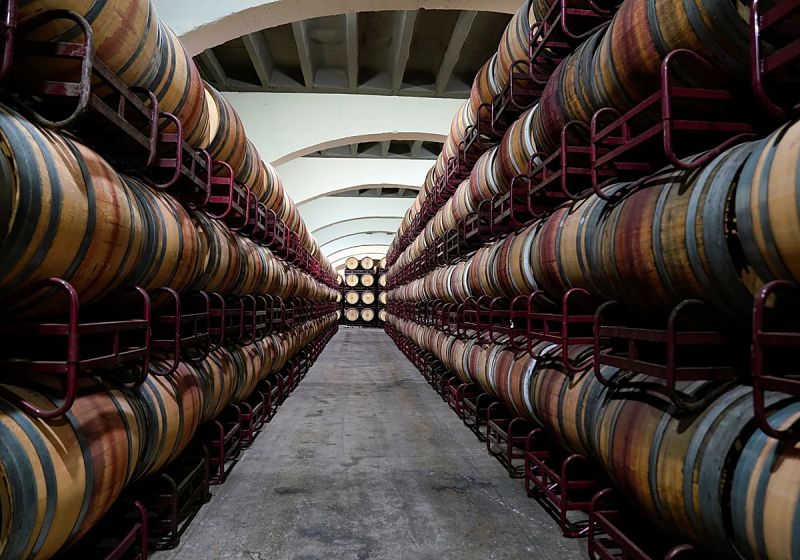
Bodegas Riojanas, one of the best-known historic wine companies in Spain’s Rioja region, has moved its registered headquarters from Cenicero, in La Rioja, to Madrid after its takeover by Vintae, according to information published in Spain and corporate records tied to the restructuring process.
The change comes only a few months after Vintae took control of the winery group through a restructuring plan that was approved by a court and later entered in the Mercantile Registry. That process cleared the way for Bodegas Riojanas to be incorporated into the buyer’s corporate structure after a period of financial strain.
The transfer affects the company’s legal domicile, which had long been located in Cenicero, a town closely linked to the history of Rioja winemaking. The new address places the company’s corporate base in the Spanish capital, a move that marks an important break with its traditional administrative center in La Rioja.
The decision is significant because Bodegas Riojanas has been identified for decades with Cenicero and with the Rioja wine industry. Its roots in the region have been part of its business identity, and the relocation of the registered office is likely to be closely watched in La Rioja, where the company has long been considered part of the local industrial and agricultural fabric.
Vintae’s entry followed a formal restructuring process designed to stabilize the company. Under Spanish insolvency and restructuring rules, a court-approved plan can allow a buyer to take control of a distressed business and reorganize its operations, debt, and governance. In this case, judicial approval and later registration gave legal effect to the transaction and allowed the transfer of ownership to be completed.
A move of the registered office does not, by itself, necessarily mean that production facilities, wineries, vineyards, or jobs will leave the region. A company can keep its industrial operations in one place while shifting its legal or administrative headquarters to another city. Still, the change often carries symbolic and strategic weight, especially when it involves a business with a long regional history.
So far, the public information available points to a corporate decision tied to the new ownership structure rather than a detailed operational relocation. There was no immediate public indication in the information available that winemaking activity would be transferred out of La Rioja. Even so, moving the legal headquarters to Madrid places the company’s corporate center closer to the country’s main financial, legal, and administrative institutions.
That is often one reason companies choose Madrid as a registered base after acquisitions or restructurings. The city offers direct access to lenders, advisers, regulators, and national business services. For a group integrating a newly acquired company, centralizing legal and executive functions in the capital can simplify management and oversight.
For La Rioja, however, the move has a broader meaning. The region’s wine sector is one of its main economic pillars, and longstanding wineries carry importance beyond their balance sheets. They are tied to local employment, land use, exports, and the identity of the area’s wine towns. Any corporate change involving a historic producer can therefore trigger concern about future decision-making and the long-term commitment of owners to the region.
Bodegas Riojanas had been facing a difficult period before the takeover. The restructuring plan that led to Vintae’s control suggests the company needed a formal process to address its situation and preserve business continuity. Such plans are increasingly used in Spain to prevent insolvency from ending in liquidation, especially in sectors facing financing pressure, rising costs, and changing market conditions.
The wine business has faced those pressures in recent years in Spain and across Europe. Producers have had to deal with weaker demand in some markets, higher energy and packaging costs, and shifting consumer habits. Companies with debt burdens or weaker margins have been especially exposed, making restructurings, asset sales, and ownership changes more common.
Against that backdrop, Vintae’s purchase of Bodegas Riojanas appears to fit a wider pattern of consolidation in the wine industry, where larger or more diversified groups take over brands and facilities with long histories but recent financial problems. For buyers, these deals can offer recognized labels, established distribution channels, and production assets. For sellers or distressed companies, they can provide a path to survival.
The move to Madrid is one of the clearest signs so far of how the new ownership is reshaping the company’s corporate structure. While the production side of the business remains closely tied to La Rioja, the legal center of decision-making has now shifted to the capital.
The development leaves open important questions for employees, suppliers, grape growers, and local institutions in La Rioja, especially about how much autonomy the winery will retain and how future investment decisions will be made. Those answers may depend less on the legal address itself than on the business plan Vintae applies after the restructuring and on whether the new owner keeps its industrial commitment in the region where the winery built its name.