Puglia winemakers seek emergency support to clear a wine glut
Producers say crisis distillation, storage aid, tougher enforcement are needed before the next harvest deepens oversupply.
Thursday, September 3, 2026
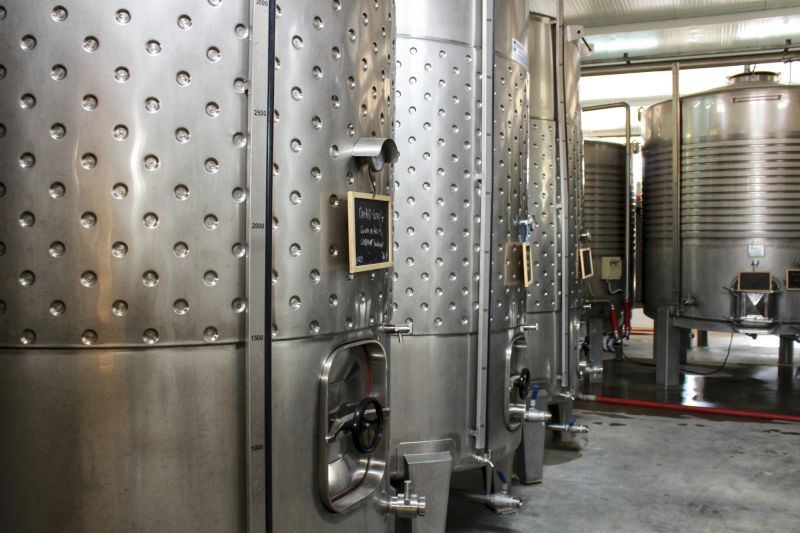
Winemakers in Puglia are asking for emergency market support after a buildup of unsold wine and a drop in grape prices deepened pressure on one of Italy’s biggest wine regions.
At a producers’ meeting held at Cantine Due Palme, the calls centered on three measures: crisis distillation, medium- and long-term storage aid, and a stronger fight against illegal activity in the trade. The requests reflect growing concern that large volumes of wine sitting in cellars are weighing on prices and limiting room for the next harvest.
The immediate issue is oversupply. Producers in Puglia say too much wine remains in storage and too little has been sold, leaving wineries and growers exposed just as a new production cycle approaches. In that setting, lower grape prices can quickly spread across the supply chain, hurting growers first and then cooperatives, bottlers and bulk wine operators.
Crisis distillation is one of the main tools now being discussed. In practice, it allows surplus wine to be removed from the market and sent to distillation, usually for industrial alcohol or other non-beverage uses. Producers in Puglia are asking for that option as an emergency valve. The argument is simple: if part of the stock is taken out of circulation, the market may regain some balance and the downward pressure on prices may ease.
Storage support is the second part of the request. Producers want help to keep wine off the market for a medium or longer period instead of forcing sales into a weak environment. Storage does not solve a structural mismatch between supply and demand on its own, but it can reduce immediate pressure by spreading releases over time. For wineries with limited cash flow or little room in their tanks, that can be critical in the weeks before a new harvest enters the system.
The third request, a fight against abusivismo, points to a broader frustration in the region. In the Italian wine trade, the term can cover a range of unlawful or irregular practices that distort competition and undermine legitimate operators. Producers argue that any market rescue effort will have only limited effect if illegal activity continues to depress prices or bypass the rules that apply to compliant businesses.
Puglia has a central role in the Italian wine economy. It is a major producer of grapes and bulk wine and a key supplier for blends and private-label bottlings sold across Italy and abroad. When inventories rise sharply there, the effects are not limited to one region. Price weakness in Puglia can spill into other parts of the market, especially in the lower and middle segments where bulk volumes matter most.
That is why the issue matters beyond local politics. If authorities approve tools that absorb part of the surplus, the move could help slow the drop in grape and bulk wine prices and improve stock management ahead of the next campaign. If no action is taken and inventories remain high, pressure could intensify not only for Puglian wineries but also for broader wine trade flows in Italy, with possible knock-on effects for pricing, contract negotiations and working capital across the beverage sector.
The appeal from Puglia also fits into a wider concern in European wine about how to handle demand that is no longer growing as it once did. Many producers have been dealing with slower consumption, cautious retail buying and higher costs in the vineyard and cellar. Under those conditions, large unsold stocks become harder to carry. A region with a strong cooperative base, like Puglia, can feel that strain quickly because growers depend on regular intake and timely payments.
Cooperatives are especially sensitive to prolonged stock accumulation. They collect grapes from many members, process large volumes and must find outlets for wine in a market that can change fast. When sales slow, tank space becomes scarce and financing needs rise. That can create a chain reaction: grapes are worth less, wineries delay decisions, and the next harvest arrives before the previous one has been cleared.
Any public intervention would also raise questions about scope and funding. Crisis distillation is often treated as an exceptional measure because it removes product rather than finding a commercial market for it. Storage aid can be more flexible, but it still requires clear rules on volumes, timing and eligibility. Producers in Puglia are effectively arguing that the current situation has moved beyond normal market volatility and now requires an institutional response.
The request for stronger enforcement also signals that producers do not want relief measures alone. They are asking for a market in which compliant businesses are not undercut by operators working outside the rules. In a period of weak prices, even small distortions can have a large effect, particularly in bulk transactions where margins are thin and competition is intense.
For growers, the issue is immediate. Grape prices are one of the clearest signals of the health of the market, and falling prices can make the economics of the vineyard unstable in a short time. For wineries, the problem is space and liquidity. For the wider trade, it is the risk that excess stocks in a major producing region continue to weigh on Italy’s overall balance between supply and demand.
The pressure from Puglia now puts the focus on whether regional, national or European authorities are willing to activate emergency tools before the next harvest adds more volume to a market that producers already describe as overloaded.